
Your brakes are among the most important safety components on your car. Without properly functioning brakes, stopping your vehicle in time becomes very difficult. This puts you, your passengers, and everyone else on the road at risk. Most drivers don’t pay much attention to their brakes until something feels or sounds wrong, and by then, the damage is often already done.
Brake problems almost always give you warning signs before things get really bad. Knowing what to look for can save you a lot of money and keep you out of a dangerous situation. Getting your brakes and rotors checked early in Nashville is always the smarter, more cost-effective choice.
What Are Brake Pads and Rotors?
It helps to understand what these parts do before looking at the warning signs.
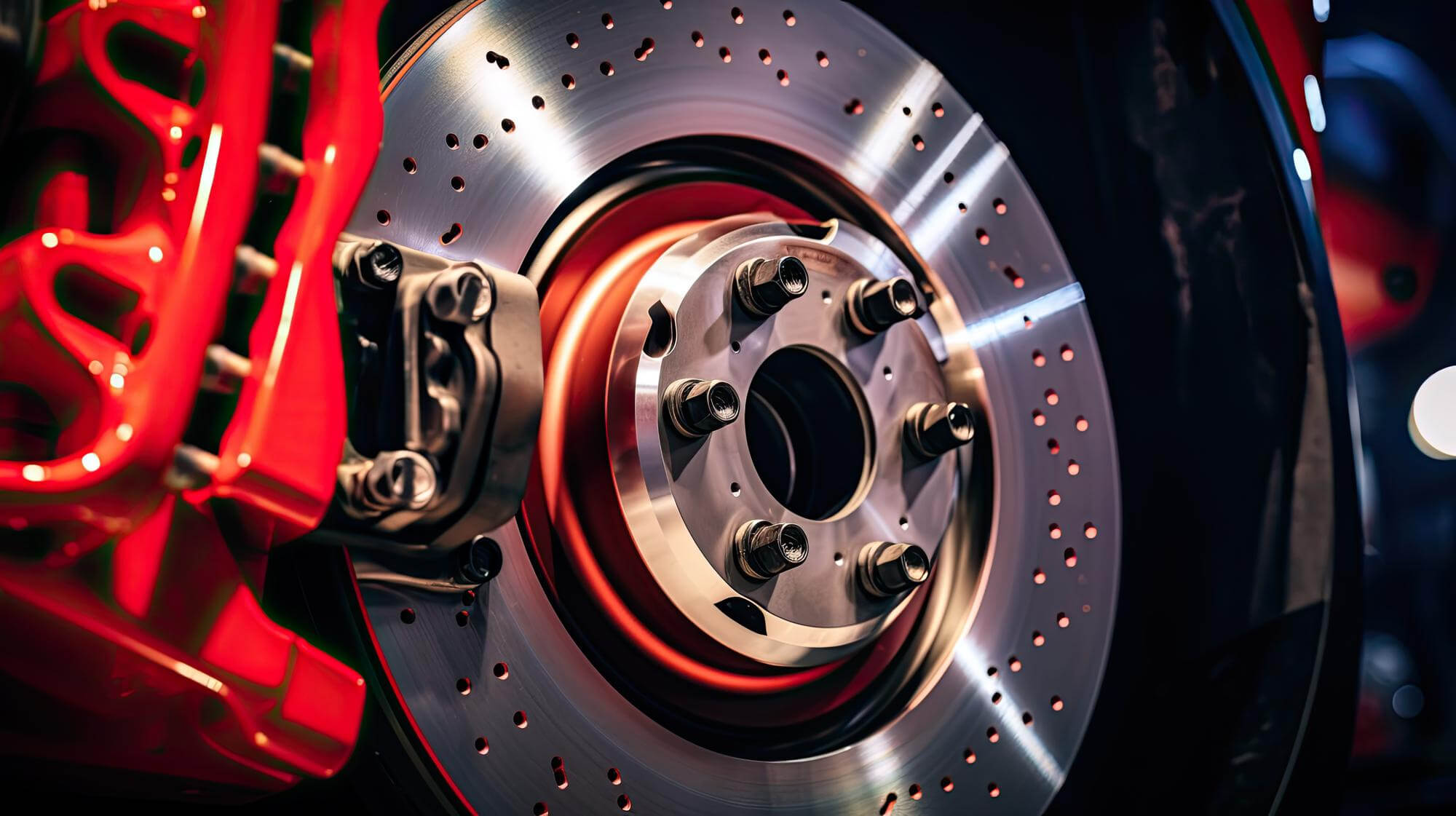
- Brake pads are small, flat pieces that press against the rotor when you step on the brake pedal. This contact creates friction, which slows your car and brings it to a stop.
- Rotors are the round, flat metal discs attached to your wheels. They spin the wheels and work with the pads to stop the car.
Both parts wear down over time. Pads thin, and rotors can develop grooves, warping, or cracks. When that happens, your car’s stopping power decreases, and the risk of an accident increases.
Warning Signs Your Brake Pads Are Worn Out
These are the signs most people notice first:
- Squeaking or squealing when you brake: Brake pads include a small metal wear indicator. When the pad gets too thin, this piece rubs against the rotor, producing a high-pitched squeal. This is an early warning sign; don’t ignore it.
- Loud grinding noise: If you hear a metal-grinding sound every time you brake, your pads are likely completely worn out. Metal is now hitting metal, which quickly damages your rotors. This needs to be fixed right away.
- Soft or spongy brake pedal: If your pedal feels mushier than usual or goes down farther before the car slows, there’s something wrong with the brake system. This could be low brake fluid or air in the lines, and it needs to be inspected by a professional.
- Car pulls to one side while braking: When your car drifts left or right as you slow down, it usually means one brake pad is wearing down faster than the other, creating uneven braking pressure.
- Shaking or vibrating when you brake: A shuddering steering wheel or a vibrating pedal when slowing down often indicates warped or damaged rotors, not just the pads.
Also Read: Signs You Need Tire Repair
Warning Signs Your Rotors Need Replacement
Rotors tend to last longer than pads, but they still need attention. Here’s what to watch for:
- Deep grooves or scored lines on the rotor surface: You can sometimes see this through the wheel spokes. These grooves happen when worn-down pads scrape against the rotor surface over time.
- Warped rotors: Rotors can warp when they overheat from heavy or repeated braking. A warped rotor is no longer flat, which causes that pulsating, shaking feeling when you brake.
- Rotor thickness below the safe limit: Every rotor has a minimum thickness set by the manufacturer. Once a rotor goes below that number, it can crack under pressure. A mechanic checks this with a measuring tool during a brake inspection.
- Heavy rust that won’t go away: A little surface rust after rain is completely normal and clears up quickly once you drive. But thick, deep rust that persists even after driving for a while can degrade braking performance and needs to be addressed.
How Long Do Brakes and Rotors in Nashville Last?
On average, brake pads last between 25,000 and 65,000 miles. The range is wide because driving habits make a big difference. Stop-and-go city driving wears pads down much faster than steady highway driving.
Rotors generally last between 50,000 and 70,000 miles, but this number drops quickly if worn pads are left too long. When pads wear all the way down, and nothing is done about it, the rotors take the damage instead.
Getting your brakes and rotors in Nashville checked at least once a year, or every other oil change, is a good habit that most mechanics recommend.
Also Read: How Often Should You Rotate Your Tires
What Happens When You Ignore the Warning Signs?
Many drivers delay brake repairs because the car still stops. But here’s what can happen if you wait too long:
- Worn pads destroy the rotor surface, turning what is a small pad replacement into a much bigger and more costly repair job.
- Your stopping distance increases, making it harder to avoid accidents in emergency situations.
- In the worst cases, brake failure can occur with little warning, especially at highway speeds or in heavy traffic.
- Bad brakes can also cause you to fail your vehicle safety inspection.
The cost gap between fixing just the pads and replacing the pads and rotors together is significant.
When Is the Right Time to Visit a Tire Shop?
The moment you notice any of the warning signs above, it’s time to have your brakes checked. Don’t wait until the grinding gets louder or the pedal gets worse. If your car pulls to the side, shakes when braking, or makes any noise when you slow down, get it looked at.
For anyone dealing with brake issues, getting a professional inspection of the brakes and rotors in Nashville is the right move. A trained technician can measure pad thickness, check rotor wear, and give you a clear answer about what needs to be replaced.
Why Drivers Trust Tire One in Nashville
Tire One Nashville has been helping local drivers take care of their vehicles with honest, straightforward service. Our team thoroughly inspects your brake pads and rotors and gives you a clear picture of what’s going on.
From a simple brake pad swap to a full rotor replacement, our team has the tools, experience, and expertise to get the job done right. We care about keeping Nashville drivers safe, and that starts with being upfront about what your car actually needs.
If any of the signs above sound familiar, stop by or give us a call. Getting your brakes and rotors checked by a trusted shop is one of the best things you can do for your safety on the road.