
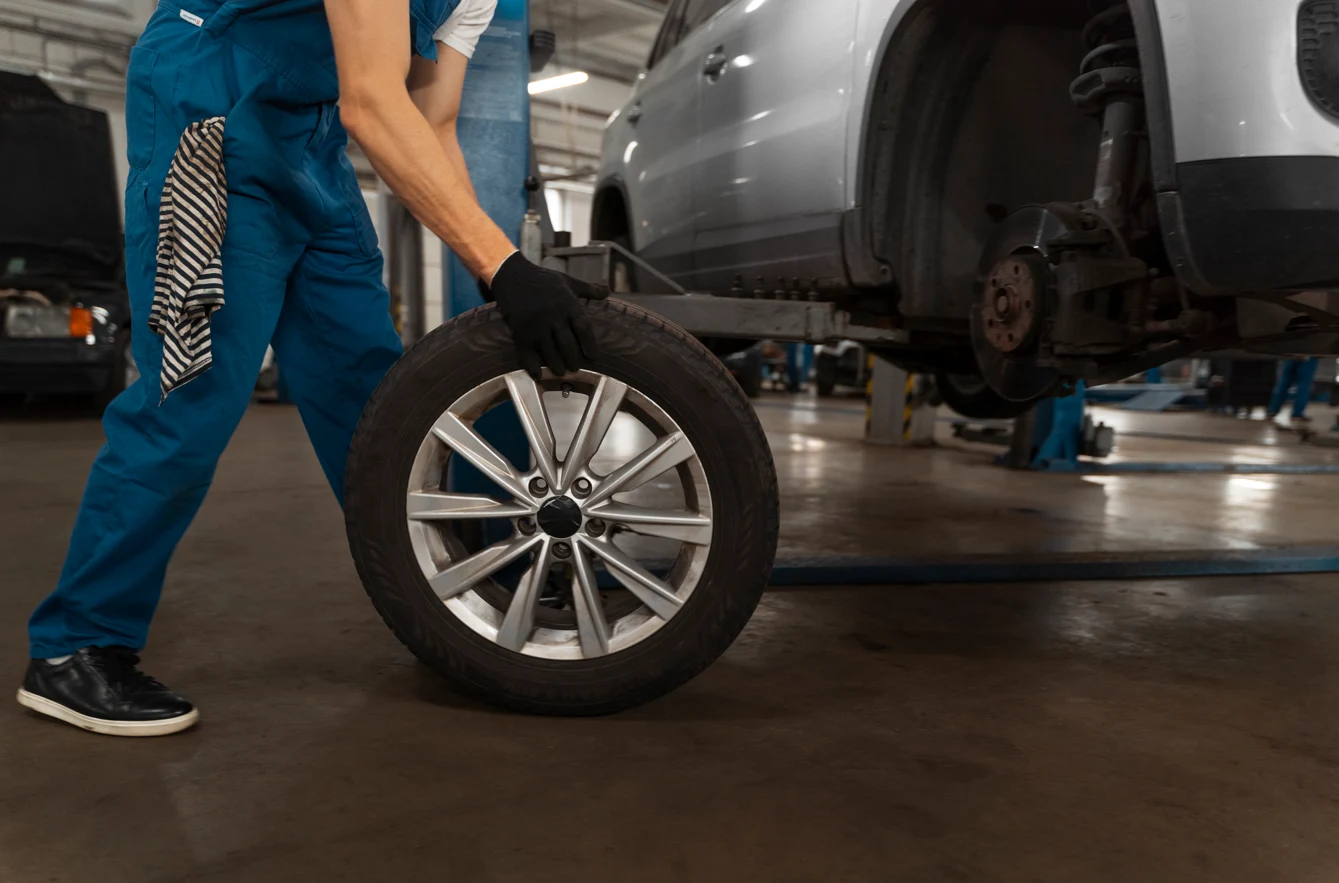
Proper wheel alignment is crucial for vehicle safety, handling, and fuel efficiency. At Tire One Nashville, we frequently see the consequences of misaligned wheels, from uneven tire wear to reduced driving stability. Misalignment may seem minor at first, but ignoring it can lead to costly repairs, decreased fuel economy, and even dangerous driving conditions. Understanding the early warning signs of wheel misalignment empowers drivers to take action before small issues escalate into major problems.
What Wheel Alignment Is and Why It Matters?
Wheel alignment refers to adjusting the angles of your wheels to the manufacturer’s specifications. Proper alignment ensures that the tires make optimal contact with the road surface, providing maximum traction and stability. It also helps distribute vehicle weight evenly across all tires, reducing wear and tear.
Three main aspects of wheel alignment include camber, caster, and toe. Camber is the inward or outward tilt of the wheels when viewed from the front, caster refers to the angle of the steering pivot, and toe is the direction the tires point relative to the centerline of the vehicle. When any of these angles are off, driving performance and tire lifespan are compromised.
Common Causes of Wheel Misalignment
Several factors can cause wheels to go out of alignment, including:
- Hitting Potholes or Curbs: Sudden impacts can shift suspension components, throwing off alignment.
- Normal Wear and Tear: Over time, suspension components like bushings and ball joints wear down, affecting alignment.
- Accidents or Collisions: Even minor fender benders can alter the angles of your wheels.
- Uneven Load Distribution: Regularly carrying heavy loads can gradually impact alignment, especially in trucks or SUVs.
Understanding these causes helps drivers anticipate alignment problems and take preventive measures.
Early Signs of Wheel Misalignment
Detecting misalignment early prevents excessive tire wear, poor handling, and potential safety hazards. The following are some of the most common warning signs.
1. Uneven Tire Wear
One of the earliest signs of wheel misalignment is uneven tire wear. Misaligned wheels cause certain areas of the tire to wear faster than others. For example, the inside or outside edge of the tire may show more wear, or tires may develop scalloped patterns. Regularly inspecting your tires for uneven wear is a proactive step in detecting alignment issues before they worsen.
2. Vehicle Pulling to One Side
If your car drifts to the left or right while driving on a straight, level road, it is a clear indication of misalignment. Pulling can occur subtly or noticeably and may require constant steering adjustments to maintain a straight path. Ignoring this symptom not only increases tire wear but also reduces overall driving safety.
3. Steering Wheel Off-Center
A steering wheel that is not centered when driving straight is another warning sign. For example, if you drive on a straight road and the wheel is slightly tilted to one side, your alignment may be off. This issue often accompanies vehicle pulling and indicates that your wheels are not properly aligned with the steering system.
4. Vibrations or Shaking in the Steering Wheel
Misaligned wheels can cause vibrations or shaking in the steering wheel, especially at higher speeds. While tire imbalance can also cause similar vibrations, alignment-related shaking is often accompanied by other symptoms, such as uneven tire wear or pulling. Consistent vibrations should prompt a professional alignment inspection.
5. Squealing or Unusual Tire Noises
Tires that are out of alignment may produce squealing sounds during turns or while driving. The misalignment causes uneven tire pressure distribution and increases friction between the tire and road, leading to unusual noises. If your tires squeal more than usual, especially in corners, it could be a sign that your wheels need adjustment.
6. Poor Handling and Reduced Stability
Vehicles with misaligned wheels often exhibit poor handling, including delayed response during turns or difficulty maintaining lane position. Drivers may feel less control over the car, especially in wet or slippery conditions. Reduced stability can increase the risk of accidents, emphasizing the importance of addressing alignment issues promptly.
7. Steering Wheel Vibration When Braking
While braking vibrations can result from warped brake rotors, misaligned wheels can also contribute to this problem. Misalignment affects the even distribution of braking forces across the tires, causing irregular contact with the road surface. If you notice this symptom, have your alignment and braking system inspected.
Also Read: Seasonal Tire Care Checklist for Nashville Car Owners
Diagnosing Wheel Alignment Problems
Professional mechanics use precise equipment to diagnose alignment issues. Here’s how a typical diagnostic process works.
Visual Inspection
Mechanics start with a visual inspection of the tires, suspension, and steering components. This includes checking tire wear patterns, looking for bent or damaged suspension parts, and inspecting bushings and ball joints for wear. A thorough visual inspection often provides initial clues about alignment problems.
Computerized Wheel Alignment Systems
Modern garages use computerized wheel alignment machines to measure camber, caster, and toe angles accurately. These systems detect even minor deviations from manufacturer specifications, allowing for precise adjustments. A computer-assisted alignment ensures that all four wheels are correctly positioned for optimal performance.
Test Driving the Vehicle
After adjustments, mechanics usually conduct a test drive to confirm that the vehicle drives straight, handles properly, and shows no unusual tire or steering behavior. Test driving ensures that the alignment corrections have resolved the symptoms experienced by the driver.
Consequences of Ignoring Wheel Misalignment
Failing to address wheel misalignment can lead to serious consequences, both for safety and finances.
Accelerated Tire Wear
Misaligned wheels wear tires unevenly, significantly reducing their lifespan. Drivers may need to replace tires more frequently, which increases maintenance costs. Uneven wear also reduces traction and compromises vehicle handling.
Reduced Fuel Efficiency
Misalignment increases rolling resistance, meaning the engine must work harder to maintain speed. This leads to decreased fuel efficiency, costing drivers more over time. Proper alignment improves fuel economy by ensuring smooth, efficient tire contact with the road.
Suspension and Steering Damage
Continuous driving with misaligned wheels stresses suspension and steering components. Ball joints, tie rods, and bushings may wear out prematurely, leading to expensive repairs. Addressing alignment issues early protects these critical parts from unnecessary damage.
Safety Hazards
Poor alignment reduces vehicle stability and handling, increasing the risk of accidents. In emergency situations, misaligned wheels can delay response times or make the vehicle harder to control. Correct alignment ensures maximum safety for the driver and passengers.
When to Check Your Wheel Alignment?
While some signs are obvious, it’s recommended to have your alignment checked regularly. Standard guidelines include:
- After every 6,000 to 10,000 miles, depending on driving habits
- Following a significant impact, such as hitting a pothole or curb
- When replacing tires, as new tires require proper alignment for optimal wear
Routine alignment checks are a cost-effective way to prevent severe issues and maintain vehicle performance.
Preventive Measures for Maintaining Proper Alignment
Maintaining alignment goes beyond periodic inspections. Several practices help keep wheels correctly aligned.
Regular Tire Maintenance
Keeping tires properly inflated and rotating them at recommended intervals ensures even wear, which supports alignment longevity. Proper tire maintenance reduces stress on suspension components and improves overall vehicle stability.
Careful Driving Practices
Avoiding potholes, curbs, and rough terrain helps prevent sudden alignment issues. Smooth driving reduces impact on suspension components, extending the life of your tires and alignment.
Suspension and Steering Inspections
Regular inspection of suspension and steering components ensures that worn parts do not affect wheel alignment. Mechanics can identify and replace worn bushings, tie rods, and ball joints before they cause misalignment.
DIY Signs You Can Monitor
Homeowners can monitor certain indicators before professional inspections.
- Visual Tire Check: Observe tread patterns and look for uneven wear.
- Steering Behavior: Pay attention to pulling or off-center steering.
- Unusual Vibrations or Noises: Note any vibrations, squealing, or instability during driving.
Monitoring these signs allows drivers to act promptly and schedule professional wheel alignment services before significant damage occurs.
Professional Alignment Services
When addressing misalignment, professional services ensure precision and safety. Mechanics have the tools and expertise to adjust camber, caster, and toe accurately. They also inspect for hidden issues that may not be visible to the driver, such as bent suspension components or worn bushings.
Cost Considerations
Wheel alignment costs vary depending on vehicle type and service complexity. Standard four-wheel alignment is common for most vehicles, but some luxury or specialized vehicles may require additional adjustments. Investing in professional alignment is cost-effective compared to replacing tires or repairing suspension damage caused by misalignment.
Conclusion
Recognizing the early warning signs of wheel misalignment is essential for vehicle performance, safety, and longevity. Uneven tire wear, vehicle pulling, off-center steering, vibrations, and unusual tire noises are clear indicators that professional attention is needed.
At Tire One Nashville, we provide wheel alignment services to help drivers maintain their tires and suspension in optimal condition. Routine inspections, careful driving, and timely alignment adjustments prevent costly repairs, improve fuel efficiency, and ensure the safety and comfort of every journey. Investing in professional wheel alignment ensures smoother handling, longer tire life, and peace of mind for drivers on every road.