
Selecting the right car battery is a critical part of vehicle maintenance, and at Tire One Nashville, we understand how essential it is to keep your car running smoothly. A car battery provides the electrical power needed to start your engine, operate accessories, and support the vehicle’s electrical systems. Without a reliable battery, your car can fail to start, leaving you stranded or causing damage to other components. With countless options available in the market, choosing the correct battery requires careful consideration of your vehicle’s needs, climate, and driving habits. This guide from Tire One Nashville will help you make an informed decision and extend the lifespan of your car battery.
Understanding Car Battery Basics
Before selecting a car battery, it is important to understand how batteries work and the different types available.
How Car Batteries Work?
A car battery stores chemical energy and converts it into electrical energy. It powers the starter motor, ignition system, and fuel system when starting the engine. Once the engine runs, the alternator recharges the battery while also powering other electrical components like lights, infotainment systems, and air conditioning.
Types of Car Batteries
There are several types of car batteries, each designed for specific applications:
- Lead-Acid Batteries: The most common type, affordable and reliable. They can be flooded or sealed (AGM).
- Absorbent Glass Mat (AGM) Batteries: Designed for vehicles with advanced electrical systems, offering higher performance and durability.
- Gel Batteries: Less common in standard cars, often used in specialty vehicles. They provide deep cycle performance and are resistant to vibration.
Choosing the right type of battery is critical for compatibility and performance.
Consider Your Vehicle’s Requirements
Each vehicle has unique electrical requirements. Using a battery that does not meet these specifications can cause starting problems, electrical failures, or shortened battery life.
Check the Owner’s Manual
The manufacturer’s recommendations in your vehicle’s owner manual are the most reliable source for battery specifications. They typically provide information about the required battery size, voltage, and cold-cranking amps (CCA).
Understand Cold-Cranking Amps (CCA)
CCA measures a battery’s ability to start the engine in cold temperatures. Vehicles operating in colder climates require higher CCA ratings. Choosing a battery with insufficient CCA may lead to starting difficulties, especially during winter months.
Battery Reserve Capacity (RC)
Reserve capacity refers to the amount of time a fully charged battery can supply power if the alternator fails. A higher RC is beneficial for vehicles with numerous electrical accessories, ensuring you have extra power in emergencies.
Physical Size and Fit
Even if a battery meets your vehicle’s electrical specifications, it must physically fit in the battery compartment.
Group Size
Battery group size defines the physical dimensions and terminal locations. Installing a battery with incorrect dimensions can result in poor fit, vibration, and potential damage to the battery or vehicle.
Terminal Location
Ensure the positive and negative terminals align with your vehicle’s cables. Misaligned terminals can prevent proper connection and cause electrical issues. Some modern vehicles have side terminals, while others have top terminals, so verifying the configuration is essential.
Battery Lifespan and Maintenance
Car batteries degrade over time, but certain types require more maintenance than others.
Maintenance-Free vs. Serviceable Batteries
Maintenance-free batteries are sealed and do not require regular topping up of distilled water. Serviceable batteries, typically older lead-acid types, need periodic checking and refilling to maintain performance.
Expected Lifespan
The average car battery lasts between three to five years, depending on climate, driving habits, and battery type. Extreme temperatures, frequent short trips, and heavy electrical loads can reduce battery lifespan.
Also Read: How Often Should You Replace Your Tires?
Brand and Quality Considerations
While price is important, quality and reliability should be prioritized. Investing in a reputable brand ensures better performance, warranty coverage, and longer life. Look for batteries with solid warranties, customer reviews, and industry certifications.
Warranty Coverage
Most car batteries come with a warranty period ranging from one to five years. A longer warranty provides peace of mind and may indicate the manufacturer’s confidence in the battery’s quality. Be sure to understand the terms, including replacement policies and prorated coverage.
Environmental Factors
Where you live, and the conditions your vehicle operates in can influence battery choice.
Temperature Considerations
Batteries are sensitive to extreme temperatures. High heat accelerates chemical reactions inside the battery, causing faster degradation. Cold temperatures reduce the battery’s ability to deliver current. Choosing a battery suited for your climate ensures optimal performance year-round.
Driving Conditions
Frequent short trips do not allow the alternator to fully recharge the battery, which can shorten battery life. Conversely, vehicles used for long highway drives may benefit from batteries with higher reserve capacity and deep-cycle capabilities.
Understanding Battery Ratings
Battery ratings provide essential information for choosing the right product.
Voltage
Most modern cars use a 12-volt battery. Some hybrid or electric vehicles may require different voltage ratings, so it’s crucial to verify your vehicle’s needs.
Cold Cranking Amps (CCA) and Cranking Performance
CCA, as mentioned, is essential for starting in cold conditions. Additionally, cranking performance indicates the battery’s ability to deliver consistent power to the starter motor under load.
Amp-Hour (Ah) Rating
The amp-hour rating determines how long the battery can supply a specific amount of current before becoming discharged. Vehicles with high electrical demand benefit from higher Ah batteries to avoid sudden power loss.
Signs It’s Time for a New Battery
Even high-quality batteries eventually fail. Recognizing early signs of failure prevents unexpected breakdowns.
Slow Engine Crank
If your engine takes longer than usual to start, it may indicate a weak battery.
Electrical Issues
Dimming headlights, malfunctioning infotainment systems, and irregular power supply to accessories can signal battery problems.
Physical Damage
Corrosion on terminals, bulging battery cases, or leaking electrolyte are clear indicators that replacement is necessary.
Age of the Battery
If your battery is over three to five years old, even if it appears fine, it’s wise to have it tested for efficiency and remaining life.
Professional Testing and Installation
Having a battery professionally tested ensures an accurate assessment of performance and life expectancy.
Load Testing
Load testing simulates starting conditions to evaluate the battery’s ability to deliver current. This is a standard procedure at auto repair shops and helps determine whether replacement is necessary.
Proper Installation
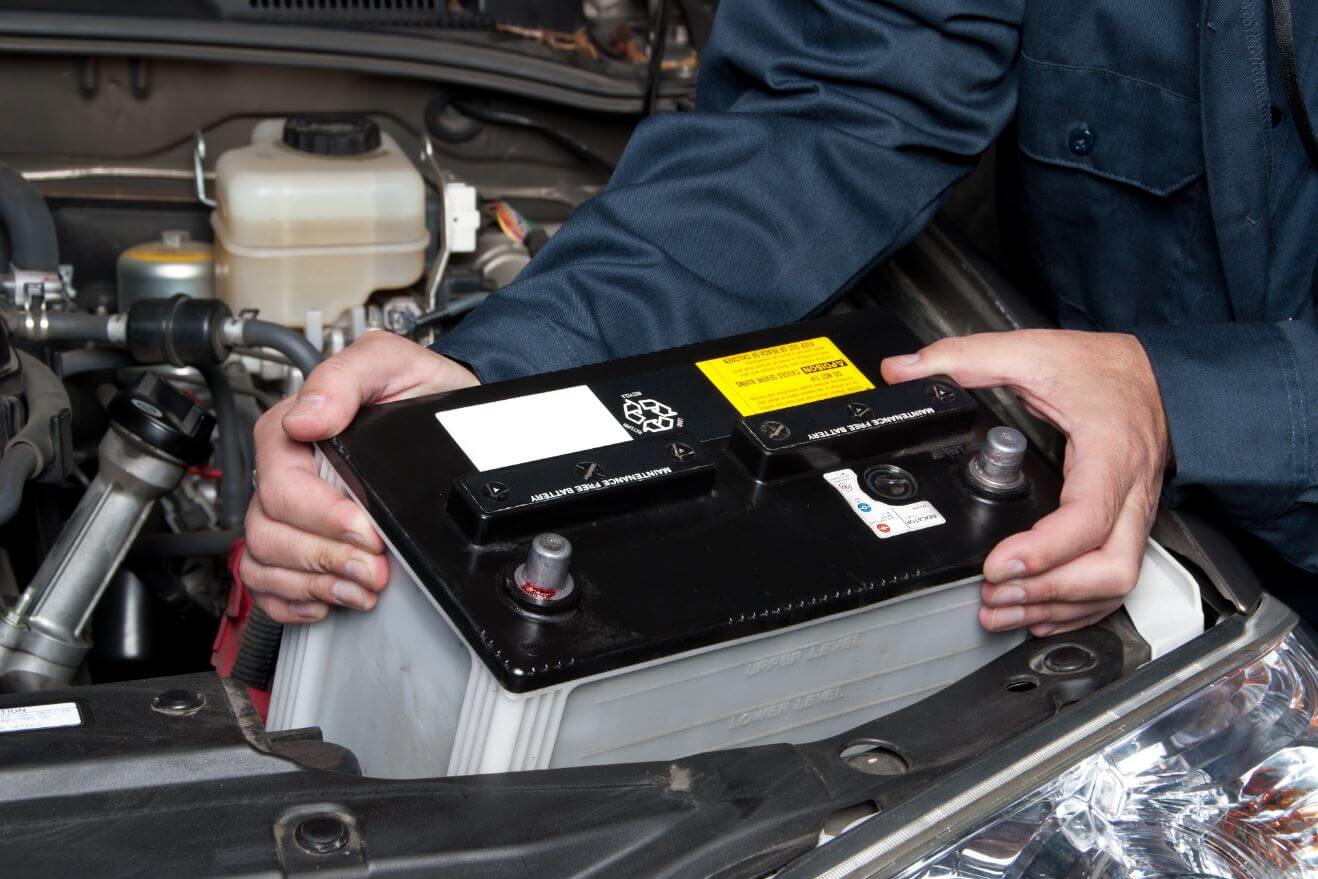
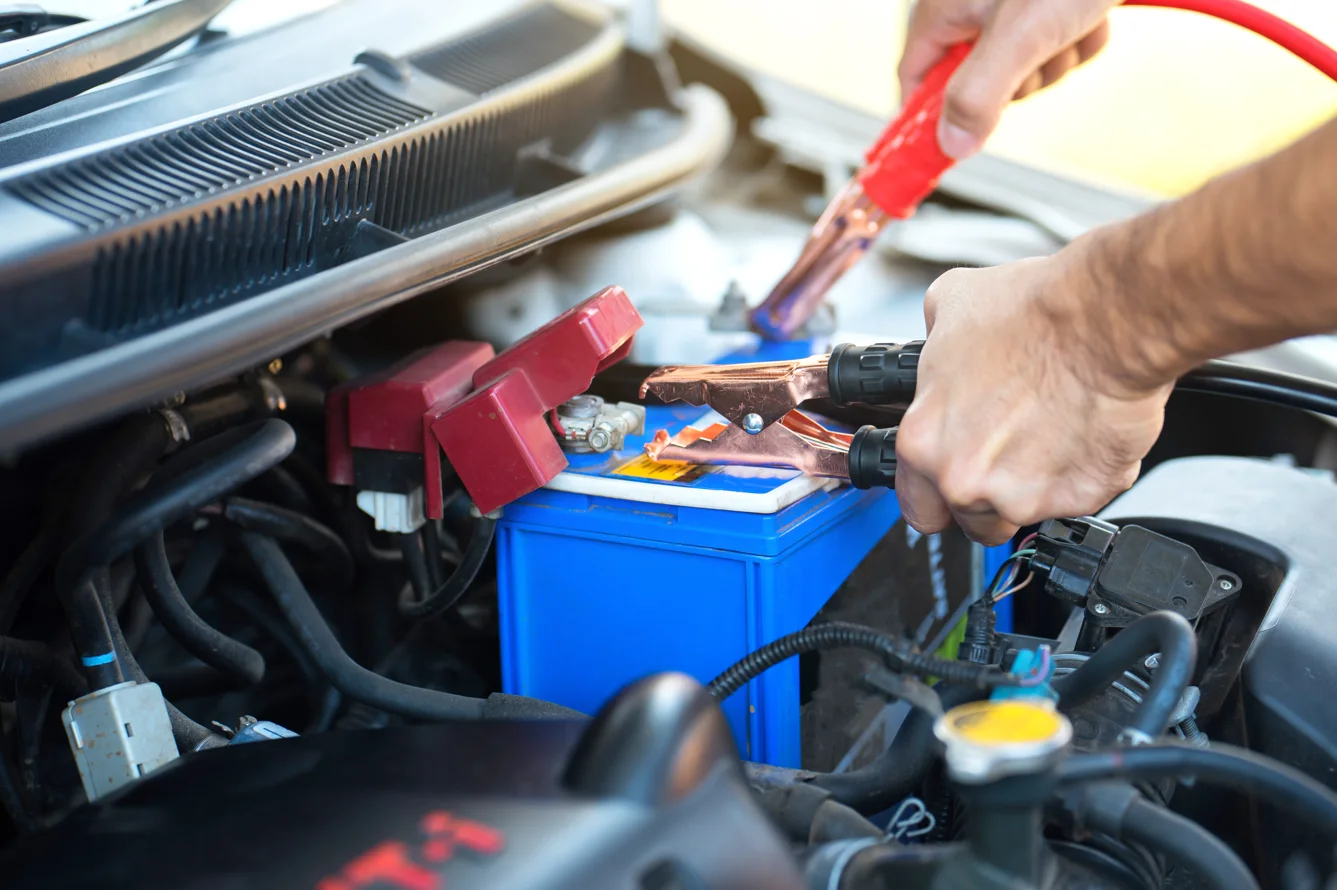
Installing the battery correctly is crucial. Improper installation can cause electrical shorts, reduced performance, and even damage to the vehicle’s electronic systems. Professionals ensure secure connections, proper torque, and correct terminal alignment.
Cost vs. Value
While budget is an important factor, purchasing the cheapest battery may not always be the best choice. Higher-quality batteries may cost more upfront but offer longer lifespan, better performance, and less risk of failure. Evaluating cost versus long-term value ensures you get reliable performance without frequent replacements.
Consider Total Cost of Ownership
When selecting a battery, consider not only the purchase price but also installation costs, warranty coverage, and expected lifespan. Investing in a quality battery reduces long-term expenses and provides peace of mind.
Tips for Extending Battery Life
Once you have chosen the right battery, proper care can prolong its performance.
- Regularly clean terminals to prevent corrosion.
- Avoid leaving electrical accessories on when the engine is off.
- Check battery fluid levels if it is serviceable.
- Use a battery maintainer or trickle charger if the car is not driven frequently.
Taking these steps ensures your battery delivers optimal performance and reduces the risk of unexpected failure.
Common Mistakes to Avoid
Many car owners unknowingly make mistakes that reduce battery life.
- Installing the wrong battery type or size.
- Ignoring manufacturer specifications.
- Failing to check battery health periodically.
- Allowing corrosion to build up on terminals.
Avoiding these errors helps maintain your vehicle’s electrical system and prevents costly repairs.
Conclusion
Choosing the right car battery involves understanding your vehicle’s specifications, battery type, and performance requirements. Proper installation, regular maintenance, and timely replacement are essential for reliable vehicle operation. At Tire One Nashville, we provide expert Car Battery Replacement services to ensure your vehicle starts reliably every time. Our team helps you select the best battery for your car, handles professional installation, and offers advice on extending battery life. Trust Tire One Nashville for quality service and peace of mind, keeping your vehicle powered and ready for the road.